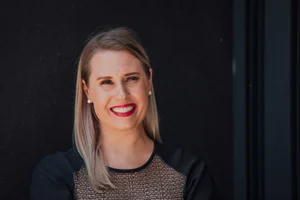
In this heartfelt episode, I'm in the podcast hotseat.
World-renowned singing teacher and voice researcher Dr. Marisa Lee Naismith interviewed me for her podcast and I have repurposed that conversation here just for you.
Together, we unpack:
Why so many people feel their voice doesn’t matter
The power of mirror work and affirmations to rewrite limiting beliefs
Emotional techniques to connect with your authentic voice, including imagining the opposite — what if you weren’t allowed to speak?
Why self-doubt is a privilege, and how that perspective can fuel courage
My personal stories of resilience, from mountain climbs to handling social media trolls with humor and heart
The surprisingly easy thing you can do right now to reclaim your voice
Whether you struggle with public speaking, personal expression, or simply finding your confidence, this episode offers practical insights and inspiration to help you step into your authentic voice and speak up in moments that truly matter.
transcript
Welcome to a very different That Voice Podcast episode where technically I, am the guest. Yes, that's right. I chatted to the amazing Dr. Marisa Lee Naismith on her podcast, A Voice and Beyond, and our conversation was so soulful, so juicy, so memorable, that I asked if I could use the audio here on That Voice Podcast also, so you get an insight into things about me that I've never shared here on this podcast. And I don't know why I guess being asked the question always inspires something a little extra, doesn't it? So, Dr. Marisa Lee Naismith is a renowned international singing teacher, she's a voice researcher and an award-winning performer herself and one of my beautiful former clients. I have never done an episode like this before, so please reach out and let me know if you like hearing me on the other side of the questions. Marisa and I are both voice professionals who focus on authenticity, and when I was editing this, I felt quite proud because we are so open and honest and vulnerable in this conversation. It really sets an example for what we stand for. I hope you enjoy it.
Marisa:
Sally, you have been my speaking coach having worked with me one-on-one, and then I participated in your flagship program, the Soul Speakers Program, which was beautiful. Such a lovely experience. And as much as I was a confident singer, I found that I was not a confident speaker, and I came to you for help. I didn't believe that I spoke well. I feared fumbling over my words. I didn't think I was articulate or eloquent when I spoke, and I definitely just lacked that confidence. I was terrified of public speaking and I hated it, but unlike you, because you do not have, "I used to be terrified of public speaking", that particular story is not part of who you are. You've always loved public speaking. Can you take us back to where your passion began and how it's shaped your journey?
Sally:
Oh, Marisa, thank you for sharing that. And it's interesting, isn't it, how you can have the most beautiful singing voice, yet still have those fears and doubts about speaking. And it really goes to show how using our voice is way more than the physical, the anatomical. I don't have that "I was terrified of speaking story" as you mentioned. And I think it's because from such a young age, I was thrown into so many different situations, that I learned so much along the way. So mum says, I was born microphone first.
Marisa:
I love that!
Sally:
I know it's not a very pleasant visual, is it? And I remember being nine years old and all I wanted for Christmas from Santa was a microphone on a stand. And I remember it so clearly. It was a red stand, a red microphone. And I could tell what it was when I came out in the morning because I guess it's one of those awkward presents to wrap. And the thing I did was say a thank you speech to Santa. And shortly after mom said, Okay, we've gotta get this kid into speech and drama lessons. So then I started speech and drama, really enjoyed performing on stage in a Eisteddfods and school productions and did public speaking all through high school and then went on to become a radio news reporter. I found the skills have just helped me so much in every area of my life.
Marisa:
That's amazing. Yeah. I have a similar story in that I didn't want to speak into a microphone, but I certainly did want to sing into one from a very young age. And so I had that confidence around singing because I just wanted to be a rockstar and would imagine myself performing in front of thousands of people and everyone cheering me on.
Sally:
I love that. Well, what I did do after the speech was I had my hot pink bike pants on and I sang "Achy Breaky, Heart, of all things!
Sally:
"Don't Tell my heart, my achy, breaky heart." But I think at that point they were like, Sal, I think the speaking is more suited to you than the singing. So we had kind of an opposite story where, get me up there and speak. I'm okay, singing. There's a few stories I need to work through when it comes to that.
Marisa:
Isn't it funny also the narratives that we share with ourselves, the words that we use and what we actually believe that we are not good at something? And so with you, you have all these brilliant programs and you work with all kinds of speakers from all walks of life, even TEDx speakers. Where did you discover that gift of being able to help other people? Was it something that came intuitively or did you have to learn that skill?
Sally:
I had to learn the skill. I'd say part of it was intuitive because I started so young. So when I, you know, did speech and drama growing up, I was about 16, 15 or 16 when my teacher at the time was looking to retire, but she still had people asking her to teach their children. So she was like, Oh, well I can't take anyone new on, but Sal, would you be interested in working with a couple of students? And so I was like, Oh, okay. And so I was in the front room of the house, kind of like my dad's office slash the garage, my parents looking back, how amazing they, they gave me that space and I started seeing students and then it grew from there. And at one stage I had, I was still at school and I had students from four right through to 16.
Marisa:
Incredible.
Sally:
And I learned through that, that speech and drama teaching was so much more than voice. You end up being, you would know this as a teacher.
Marisa:
Mm-Hmm.
Sally:
It's counseling. It's being that person in that person's life to open up to because our voice is a reflection of everything that's going on in our life. And so the intuitive part came from that where I learned that it was so much more than saying, okay, let's recite this poem. It was about who somebody was and where they were at in their lives. And through my career, even when I was, you know, reporting for radio on television as a news reporter, I always had students on the side. Often they were young journalists who were looking to have the broadcast voice. And then that was really the encouragement that made me start my business because I was also getting asked around the office when I went to PR, people would say to me, Oh, Sal, how do you always say what you want to say in meetings?
Sally:
And I remember being really curious about that because it had never crossed my mind that that would be an issue for people. And I said, What do you mean? What do you mean you don't say what you wanna say? And this particular person said, well, I, you know, write down all my notes and I have all my points, but then when I get in there, I get a bit nervous and someone speaks over me and I dunno what to do. And then it just goes out the window. And I said, okay, well we can't have this. So I started having kind of lunchtime mentoring sessions, where I'm like sitting there giving people pointers on how, you know, this can't happen. So then when I left to start this business full-time, I'd say coaching and helping and advising really runs in my blood. It's been part of me through every role I've ever had.
Marisa:
So with each one of those roles, how does your voice change? Like, for example, being in the newsroom to then doing some of that mentoring to being on a public speaking stage. Have you had to learn to use your voice differently across all those mediums?
Sally:
Yes, absolutely. And this a big part of what I work with people on. There's this perception that your true voice is just the voice that you have. It's just your default. This is just how I talk. You can like it or lump it, but the thing is, declaring that your voice only strikes one note. It's quite small minded and it really stunts your influence. I compare it to wardrobe.
Marisa:
Yes.
Sally:
So just having one voice that you always use is like having one outfit in your wardrobe. So say it's a beautiful activewear set when you go to Pilates or you go for a walk, you are on fire, you're amazing. But if you were to wear activewear to a board meeting or a black tie ball, you might not be dressed to impress. Like, you might not make the impression that you'd like to. So that's where you choose your beautiful dress or your work clothes. It's 100% still you. But you have more range to choose from.
Marisa:
Right.
Sally:
And it's the same thing with voice. And a lot of leaders do this very well. They can speak to the frontline workers, interns on their first day of work, and then they can go and speak to the chair of the board and they know the adjustment that's required for doing that. If you compare to singing, I'd say it would be having a broader repertoire, being able to expand that range, not change.
Marisa:
Yes.
Sally:
I always say not change, expand range.
Marisa:
Right.
Sally:
To use the voice that the occasion calls for.
Marisa:
Okay. So you have to be adaptable, such as a singer. If you are singing rock and you are singing pop, then you sing those styles differently. There are different elements that you use to make that style sound authentic. So if you are in the newsroom, you can't sound like someone who's giving a motivational speech.
Sally:
Absolutely. And in news as well, a lot of it's to do with the writing. So the way a news story is written is not how people would speak in regular conversations because the whole news story is only about a minute 20. And that's including the little grabs we call them from different people. And so a big part of the news voice is because the writing is so succinct. But you know, that's why we work on elevating our voice. If you can do tongue twisters and recite Shakespeare, then if you're just kicking it with your friends at the pub, then it's easy.
Marisa:
Yes.
Sally:
It's the same with the gym. You know, if you're doing a lot of biceps, then you find it easy to pick things up.
Marisa:
Yes.
Sally:
Because you've done that exercise.
Marisa:
Yes. So in singing circles though, we talk a lot about sounding authentic and delivering an authentic performance of a song. Your sound is not contrived. It's not manipulated. You're not mimicking when you perform and you are sharing yourself to the audience. And you are deeply connected to the lyrics of a song. So what does it mean when one speaks to have an authentic voice? And how important is that in delivering? Probably not a new story, but being on a stage and sharing a motivational speech, or delivering a speech of any kind to an audience.
Sally:
Yeah. Or a video on social media, or even a conversation with a friend.
Marisa:
Yes.
Sally:
It wouldn't be too dissimilar to singing. I'd imagine. You want your inspiration to come from inside. So it's internal inspiration as opposed to external validation. So if you are speaking and you're wanting to sound like someone else, or mimic a particular thing, or be like, oh, they say, I'm supposed to speak in this way and not say ums and ahs and use this particular word and have this particular sound because that's what I need to be, to be accepted in the world. That's part of it.
Marisa:
Yes.
Sally:
If we were authentic, we are not looking outward, we are looking inward. We are connecting with ourselves. We are reflecting on what message we want to share in our own way.
Marisa:
Yes.
Sally:
We have range, but we also have our true note. We all have our style that we feel most comfortable in. You know, there are some country singers who just will never excel at rock because they're just born to be a country singer, and that's completely fine. The same way with speaking, it's about settling into who you really are. And when it comes to the speaking voice, it's a lot to do with the position in the body. So when a speaker is really trying to be someone else, you can hear it because they're quite disconnected from the body. The voice is often up in the head. It sounds very nice. It sounds very pretty. It can be quite polished. This is a really tricky word. So many people say, Sal, I want to sound polished. And I say, well, what does that mean? Do you really? People don't want perfection, they want realness. You know? So we work on bringing that voice down into the heart space, even further down into the solar plexus.
Sally:
Have the breath and the vibrations sitting somewhere that's closer to your inner power, not disconnected. And it's challenging because a lot of people are online, a lot of people are on the phone. A lot of people are in environments where they're feeling like they need to have a certain voice to fit in. And throughout that process, over many years, it's easy to become disassociated from your true voice. And this happened to me, we've talked about how throughout my childhood, I was quite a confident speaker. I was in the competition.
Marisa:
Yes.
Sally:
Radio and on television. But in my late twenties, I really learned the lesson that speaking with confidence is a very different thing to speaking authentically and speaking your truth, because I was on the news by day, anyone would say, well, she's a pretty confident speaker. But by night I was in a relationship where I was walking on eggshells where I didn't feel like I could speak.
Sally:
There was lots of lying. I didn't really know what was true. It got to a point where I was with him in secret. My whole family, understandably, for the reasons were not happy. So I did what any woman in my situation would do and told, I broke up with him, but just continued to date him in secret.
Marisa:
Oh, wow.
Sally:
But what that secrecy does, and lots of people are living with this sort of silence, you know, even family mantras of what happens in this house, stays in this house, keep quiet to keep the peace, or we don't talk about that. Of course, relationships like my scenario, it doesn't matter if by day I'm on a microphone being broadcast around Australia, if I'm not truthful to my family and to myself. And you know, I was trying to convince myself things were different to how they were. That squashed my inner voice and my spirit so much. And it was breaking out of that rediscovering my voice as a woman, as a daughter, as a spiritual being, having a human experience in this world.
Marisa:
Yes.
Sally:
That's when things really started to integrate. And that's what my approach is, integrating the technical with the energetic. Because nobody wants to see a great speaker who is disconnected from their, their true self and their truth.
Marisa:
I totally get that. It sounds like to me that when you are working with your own voice, or you are delivering a speech, when you're working with your clients, you are taking a holistic approach to voice. And to me, the whole body is the voice. The whole body is our instrument. And that includes the psyche. And when I'm working with my singers, I can tell straight away, become very intuitive because of the work that I've done on myself. I step into a teaching studio, and I don't step in with biases. I don't place limitations on a singer. I have become very intuitive, and I can tell straight away as soon as someone walks into a room, if something's up before they've even spoken. And I know that I have to work with their breath and calm their nervous system before I can get them to make sound.
Marisa:
So I truly appreciate that. And even for myself as a speaker, let's talk about social media for a second, because that's something that I've struggled with, is doing my reels. Me reading my content did not work. I sounded like a bloody idiot. And then just talking off the bat, I didn't trust myself. And then I found that when I didn't put limitations on myself, when I just spoke, just let it all go and let the words come through me was when I was okay. And I took a breath, and I used my hands because I'm Italian. And that's what we do. We use our hands. So when I allowed that physicality to come into it as well, that's when I was able to speak. So I totally understand everything that you are saying.
Sally:
You have so much knowledge with singing, it was a matter of just mapping across everything you do with your students with singing and everything you do with your own voice. Just mapping that across to the speaking voice.
Marisa:
Yes. I can see there are so many parallels here. And there are days when I'm not feeling good about life. I don't want to film a reel because I can't be authentic on that day. So there are times there's radio silence on my social, because there's something going on in my life, and I have nothing that I want to say because I can't say it. With authenticity, I may have that confidence where, yeah, I can say, and I can make things up, but unless I can speak in the moment in my truth, I don't want to speak.
Sally:
Oh, so powerful. The word confidence actually means to trust. It comes from the Latin word "confide". It means to trust. So actually by you not doing reels on days when your energy isn't there, that is true confidence, because that is true trust in yourself. People sometimes misinterpret the word confidence as being like off the set of a children's TV show. You know?
Marisa:
Yeah.
Sally:
Like I'm confident, I'm always Confident.
Marisa:
Yeah. With my jazz hands, with my hands.
Sally:
Yeah, exactly. Jazz hands, you know, no one is always that up emotion. You know, we are humans who need to experience all the emotions. And confidence is really trusting ourselves to feel those things. Trusting the voice as that instrument, as you say, the whole body experience. Not to be confused with an out-of-body experience. I always say.
Marisa:
Yes.
Sally:
It's whole of body experience. And I say the voice runs from the soles of our feet to the crown of our head. It's this energetic channel.
Marisa:
Yes.
Sally:
That we are able to release and feel things. And sometimes I'm the same. I post a lot on social media, but some days I'm like, no, I just wanna not speak today. Or maybe I want to just have a bit of a cry or a hum or a,
Marisa:
Yes.
Sally:
You know?
Marisa:
Yes.
Sally:
A voice in some other way that day.
Marisa:
Yes.
Sally:
And that's completely okay, because again, those limitations that you talk about, this is what gets in the way of people posting a reel because, oh, someone said that I need to post every day and I need to keep doing it. And so, because of that expectation, it creates the barrier. In the same way, Marisa, speaking to you, I feel like I'm reflecting on the reason my singing voice was quashed as a teenager, because I was quite a perfectionist. And I think it was being told that I needed to get the right note, you know? And so then I would panic because I couldn't get the, the right note or the right thing. And so then that restricted my voice as a singer.
Marisa:
I get that. I think for me, the reason why I struggled with public speaking was because English was my second language. So I didn't have that confidence around speaking in that language. And it's strange that, you know, talking about English being my second language, when I first started singing or started listening to music, it was in Italian. And I've taken a break from singing because I actually lost the confidence in my singing voice because of an episode that I had some years ago with a singing teacher. Same thing, where I was told, what are you thinking doing this? And why are you sounding like that? And this was after a professional career back.
Sally:
Did you say, don't you know who I am? Don't you know what I've done?
Marisa:
Yeah. Yes, pretty much. But it didn't work. And just recently when I've gone back to singing, I have found it easier to sing in Italian than to sing in English.
Sally:
Wow.
Marisa:
I have connected to that music, to that language, to the lyric, and feel that I am in my most authentic there and not in English. How weird is that?
Sally:
Oh, not weird at all. It's, it's beautiful. And it's, it's listening to you, the voice of intuition, which isn't always explainable with the rational mind. And that's what real trust is, being able to trust things without needing to make sense of it in the world. At the moment, it's quite a rational mind, kind of space where we are supposed to explain everything and make sense of it and have reasons, but you know, there's so much we don't know. And so much beauty with the voice comes from that trust. I know we're getting a little bit deep here. Our voice holds ancestral codes as well, you know, we hold the voice of the lineage, so it's almost.
Marisa:
Really?
New Speaker:
Yeah. You know, this is why I talk about our vocal legacy and breaking the speaking cycle. So you don't know whether your mother, your grandmother, women, before you need to process something through your voice. And this is the way that it's coming out.
Marisa:
I had never considered that. It's like that we have generational trauma. So is that trauma held within the voice as well?
Sally:
Yes. But also generational gifts. So with some of the trauma, with the voice, it's often around needing to be silenced. Must be seen, not heard, keep the peace, don't speak up. No, we don't talk about that. This cycle of secrecy or even linking, speaking to some sort of negative quality. Like if you speak up, then that means you are aggressive or.
Marisa:
Yes.
Sally:
Not ladylike. Or something like that. Yes. Even in my own family, so my dad, he was quite opinionated, and quite direct. And I think there was some people that thought, oh God, you know, he needed to pull it back a bit. The gift that came to me through that is I've never been afraid to voice my opinion. I've never felt like what I thought didn't matter. My mom, I have memories of being in a department store trying on a dress, and I come out and she's speaking to the sales assistant, and I said, Oh, mom, do you know her? They're having a deep and meaningful conversation. She's, Oh, no, we just met. So like, my mom is someone that can befriend people through communication very quickly.
Marisa:
That's me.
Sally:
She's a flight attendant. So it suits. It's similar to you. And I feel like, so that's a gift that you are giving on to your children and the people around you. And it's something that I've inherited as well. We inherit silence, we also inherit our voice.
Marisa:
Yes.
Sally:
And it's quite empowering to think of the family voice print, I call it like, what's the family voice print? And what's our role in carrying on our vocal legacy or breaking the cycles of what we do not want to carry on?
Marisa:
That's really powerful. And when I think about my mom, she did talk to everybody. Everyone knew my mother, and I am that person. Even when I traveled to Melbourne, I know the woman that works in the chemist by first name. I know the woman in the coffee shop. I've made friends,
Sally:
You're just like my mom!
New Speaker:
With all the Pilates instructors, like everyone knows who I am. And I may only go to Melbourne six times a year, but everybody knows me. Everyone knows me in my local area, because I do speak to everyone. However, as a child, I was silenced. I was a woman, a young girl growing up in a migrant family to become someone's wife and a mother. And I was raised, seen, to be seen and not heard. And singing was what gave me a voice in life where I felt I could be loud.
Marisa:
I loved rock music because I could make unconventional sounds. I could belt, I could move my body in a shameless way, that I couldn't in my day-to-day. And that is where I discovered my voice and a sense of belonging. And I found that when I work with singers with their voices, not only do I help them discover their voice through song, but quite often through life and in life. Do you find that happens with the people that you work with, that they start to connect on a deeper level with themselves? They start to have these breakthroughs in their lives, in their relationships, and in their identity as well?
Sally:
Absolutely. Absolutely. That's actually where we start. I have a client working on a wedding speech for his daughter's wedding, and he was expecting, okay. Right. What are we saying? And this is, this is how you say it. I don't start there. We go back to why are you speaking, you know, what's your purpose here on earth? And how does your voice fit into that? How is your voice the vehicle for your mission and purpose here on earth? And how do we connect to that? Because you can have all of the techniques of, you know, breathing and projection and warming up the jaw and the lips. All very important things, by the way, you know? We, I don't wanna skip those.
Marisa:
Yeah, all the technical.
Sally:
All the technical requirements. But if you're not connected to who you are, because I don't wanna help somebody just for a one-off speech. I wanna give them a voice that they can carry to every other scenario in their life. I'm writing a book at the moment, Voice Print, and there's a story I share in here about Shay. She is somebody who I worked with for social media content. And that was the surface. Her story is Shay was adopted from Korea into an Australian family, but was brought up, told to never talk about it.
Marisa:
Wow.
Sally:
It was something that wasn't spoken about. And she had this real identity crisis because she didn't really feel like she belonged to anywhere. That sense of not being able to share freely and openly manifested in relationships, in jobs, in every other area of her life. Through our work together, she's now openly speaking about who she's and where she comes from. A whole lot of other adult adoptees have now gravitated towards her. She's created a community, because when we share our voice and share our story, we become an advocate and give permission.
Marisa:
Yes.
Sally:
For others who agree through the same thing, to also be heard. We need that courage. If you think, oh gosh, I dunno if I should step forward, be the pioneer, be the advocate. Give the voice for others who can't or are not ready yet. And then as a side effect, she's, she's growing her business. She's studying, her parenting, she said, has improved. It's had this real knock-on effect across her life. And I never thought that a relationship would be the thing that really taught me about my voice coming from a speech and drama kid, public speaking, debating journalism, all the things. And that is the beauty of the work that we do. Singing or speaking, it's the catalyst for people to reach out. It's the window through which we can access something so much deeper and more meaningful. There's a book called The Top Five Regrets of the Dying. And she interviewed hundreds of people in palliative care about what their deathbed regret was like. Quite an incredible thing to ask.
Sally:
Number one, I wish I was true to myself and lived a life. I wanted to not what other people expected. And that goes back to what we were speaking about, always looking for the external validation, which by the way, can also be the script. If we are like wanting to rely on a script, it can be the very thing that hinders us. The second one was, I wish I hadn't worked so much.
Marisa:
Yeah.
Sally:
And the, the third one was, I wish I had the courage to express myself. I wish I had the courage to express myself. I wish I said the things I wanted to say. And that's the area that both of us work in. And so, when I have a client, I'm not thinking about, Oh, are they gonna nail their conference presentation? Nailing the conference presentation is the byproduct. But what I'm really giving them is the ability to express themselves through their voice in their life. So if they're fortunate enough to get a deathbed to contemplate life on, then that's not one of the things that they're holding regrets about.
Marisa:
Hmm. I have found that being open and real in my life and traveling through life in this way has been the most liberating thing I could have experienced. I have to thank the podcast for this. I have met incredible people through my show, and I promised myself that if I was going to host a podcast, that I would be open, honest, and real. And by doing that, I've become more and more of that in my own life. I share every aspect of my life, most honestly and authentically on this platform. But now I do that in every aspect of my life, and it's allowed other people to do the same thing. It's also helped a lot of other people. By me sharing my story, especially one that's deeply personal, is that my first husband committed suicide, and one of my students had lost her sister by suicide. And when she heard through my show that that had happened to me, she reached out to me and said, How much hope that gave her. Oh, this still triggers me because she watched me travel through my day to day, so confidently, so put together. And she then was able to see that she could step into that in the future, that she didn't have to exist as she was then. And there, there was something more that she could become in her life.
Sally:
Yeah. That is so beautiful and meaningful. And I have a similar story, and this is why as, as coaches and teachers, the very best thing we can do is a lead by example. So I have shared that the most difficult speaking gig in my life has been delivering the eulogy for my dad. He passed away about 10 years ago, and I have shared that. And then more recently, only about six months ago or so, I lost my stepdad. My mom's husband was killed in a plane crash. Like, just so horrific. And I'm always online, I'm always sharing, I'm always saying, Use your authentic voice. And I was stopped in my tracks and thought, Oh gosh, you know, what do I do?
Sally:
Whenever I'm faced with a decision, I always go back to my values. And I value authenticity. I value hoI value connections. And the way that we have connections with people is by sharing what's going on with us. And so I did share, and when I say share, it's never sharing everything. Of course, there are things that we keep for us and keep for our family, but I did share online and through an email, and I just let my community know what was going on, and that I was continuing to run my business as well. As you in business, you don't have the luxury of just saying, ight, I'm just going to stop everything. I had commitments, I had all of these things, and I was just trying to manage it. Same thing where aside people reach out to me and say, Thank you for showing how we can do this, how we can continue being open with our communities in the face of terrible things happening.
Sally:
And just last week, one of my beautiful Soul Speakers, my community, she has to speak at her sister's, little sister's funeral.
Marisa:
Oh.
New Speaker:
She reached out to me last week and said, Sal, I know you've been through this. Can you help me? Have you got time for a session? I can't even think. Can you help me with what to say? And of course, I was like, Yes. Unfortunately, I have been where you are. I can help you. If I was never to share about these things, she may never have felt like she could reach out for that help. And this is why I say, when it comes to your voice, it's about speaking up in those moments that really matter. What is the point of all the technical skills if you can't speak in those moments that matter for the people that you really love and care for.
Marisa:
Yes. How important is it then, to do the work on yourself to then allow space and hold space for people to step into their authentic voice?
Sally:
Mm. You always have to be learning. I believe the teacher needs to always have a teacher. You know, you mentor and you are mentored. You'll read in the book and you might see online, I, you know, climb snow covered mountains in my underwear. And I go on 10-day silent meditations. Next year, I'm doing the Camino de Santiago, which is an 800-kilometer walk. So it's across the north of Spain. That will be about 45 days of walking.
Marisa:
Wow.
Sally:
Always listening to what growth your soul is craving. My dad's favorite quote actually is from the Shawshank Redemption, get busy living or get busy dying. And so I'm always saying, Okay, where am I pushing the edges? We don't wanna go from the comfort zone to the danger zone. So, you know, you don't go from not speaking at all to standing on stage in front of a thousand people. That could be a recipe for disaster.
Marisa:
Yes.
Sally:
But if you push the, the growth zone. So for me this year, writing a book has really pushed me outside that comfort zone. I've never done it before. And I'm discovering all things about the publishing industry and putting things on paper feels more permanent than a podcast or a social media video for some reason.
Marisa:
Yes.
Sally:
So that's what I'm working on for myself at the moment.
Marisa:
Yes. What have you learned about yourself through all these different experiences, like climbing the mountain in your underwear, all these different modalities that you've delved into? What's the greatest thing you've learned about yourself?
Sally:
Just that the human spirit is unstoppable and limitless.
Marisa:
Mm-Hmm
Sally:
You know me, Marisa, I'm like long nails, high heels, inner city. I did not think that anybody would be able to climb off a snow-covered mountain in just a, you know, crop top and shorts!
Marisa:
Yes.
Sally:
Negative degrees Celsius at the top. I didn't think any human could survive that, let alone me, you know! So when I was at the top of that mountain, I started crying because I was so overcome with what had just happened. And I thought, What else can I do that I didn't think I could do? I'm by no means an extreme adventurous, like, you know, don't get me bungee jumping or, you know, whitewater rafting or a whole lot of things. It's not about that. It's more just wherever we put a limit on ourselves, just question that and say, Why are we doing that? Because it's not really there.
Marisa:
And it's interesting because I don't put limitations on myself. And that has allowed me then to not put limitations on what my students can do. I always say to them, let's just see what happens. Let's give this a go. Let's just treat it like a science experiment. It may work, it may not work, but does it matter? Let's just try it and see what happens. We've got nothing to lose. So what do you think is truly holding people back from using their voices in life?
Sally:
Well, it's the inner voices, the physical voice is a megaphone for the inner voice. So we have like the critic, you know, the perfectionist. If you can't do it right, don't do it at all. The voice in the head that say, You can't, no one wants to listen to you. And again, a lot of these voices have been planted by, it's not our true self. They've been planted by someone else or an experience. We just keep reaffirming that belief through our life. A common one I work on with people is that their older sibling always spoke for them. And the older sibling probably wanted to do it as a way to protect and defend, but by doing so, they've taught the younger sibling that their voice doesn't matter. It's not as important, or maybe they don't have what it takes to express what they want.
Marisa:
That is so true. I've seen that.
Sally:
Yeah. It's one of the most common things I deal with. Like, it's one of the first questions that, I say, Oh, you know, did your older sister or brother speak for you? How did you know? Because it's so, so common.
Marisa:
Mm.
Sally:
People being spoken for. Mom, who I mentioned is a flight attendant. She says to me, if she's going down and serving the food and somebody says, Oh, well she'll have this. She said, she always double checks and says to the person, usually a woman, Is that what you would like? What would you like? And gives them an opportunity for their voice to be heard. Sometimes, you know, it's just easier. It's difficult in plains, it's kind of easier if someone else orders for you. So it's not about every scenario being your voice being taken away, but it's that check-in. So this is where I would start, is we always start with the inner voices. And what is that speaking story? I say, What is that speaking story, that soundtrack? Because that is inevitably always the thing that's holding your voice back.
Marisa:
So how then do you have that person get to a point where they believe that their voice deserves to be heard? Once they acknowledge whatever it is that's holding them back, how do then they make that shift?
Sally:
For some people, clocking onto that awareness, flicks a switch. I have some students and we've uncovered that, Oh, right. I was always told that my voice didn't matter 'cause somebody spoke for me and they've walked away going, oh, okay, that makes sense now. And completely changed the way they, they speak or the confidence they have, which is amazing. Other times, we need to rewrite that story because that original speaking story can be etched in stone. You know, so we've gotta really work to replace that. And it's a habit building thing. So it's building those habits. I work a lot with mirror work. You might've heard the phrase, It's you against the world. Like it's you against, it's not you against the world.
Marisa:
Yes.
Sally:
It's you against you. So looking at mirror every day and saying, I'm so glad I'm you. I'm so glad I'm you today. I choose an ally, not an enemy, and you and me are gonna slay the day, or whatever it is. So lots of speaking to the mirror and affirmations, but in terms of really integrating the emotion. Words without emotion, you know, if you say, Oh, I want to be a millionaire, but you've got no attachment to that, you know, like, it's never going to come true. So it's connecting that emotion. And a technique, which I like to use just with certain people. As you know, you've always gotta judge what is the best approach for the person who's in front of you. I like to entertain the opposites. So I say, Okay, what if you actually weren't allowed to speak? You know, in some parts of the world, women aren't allowed to speak.
Marisa:
Yes.
Sally:
What if you went into that meeting and it wasn't that you didn't have the confidence to speak up, you were actually not allowed to speak. You'd be punished if you were, you're just there to take notes. How does that make you feel? What if women were told that social media, or not even women, but anybody was told, social media is not for you if you are not this, this, and this. You can't even use it. And so what this does, it plants a little bit of rage, I like to say. Right?
Marisa:
Right!
Sally:
It plants a bit wild. In a thing going far out. If I have the ability to speak, then, I'm going to, you know, like I am going to step forward and take this opportunity to share my message. Because self-doubt is a privilege. There are parts of the world where you don't have time or the ability to doubt yourself. You have to speak up.
Marisa:
I love that. Self-doubt is a privilege. That's incredible. I've never thought of that, but it's so true. And just talking about social media for a moment, you've had your fair share of challenges on social media. You've shared this, you've had online trolls. How did you continue to show up with heart and humor after that?
Sally:
Oh, yes. I've had so many things happen to me. One person photoshopped the poo emoji onto my head and called me Australia's most condescending woman in a video, which was really funny because I used to be a spokesperson for a water and sewage company. So there I was like with the poo crown on,
Marisa:
oh, what did you do?
Sally:
At that time? I did laugh. It helped that I had people around me where I said, oh, look what someone's done. And they just started laughing. Like they were like, oh my gosh, that's hilarious. With social media, I believe there are five stages to social media criticism and putting yourself out there very quickly. The first one is fear. You're so afraid of what people will think or what they will say. Often like, Oh gosh, well, what will Jenny from primary school think?
Marisa:
Yes.
Sally:
And so we don't post it all. That's the worst place to be in, where you're so afraid of something going wrong that you just don't speak at all. The second one is hurt. I've been through all these stages. That's where you get a negative comment and you go, Oh my gosh. Like I'm just, I'm just trying. Don't be so mean! You know, when you're putting out a video and people comment on how your eyelashes look like squashed bugs, I remember that. And I read it and I was like, Oh my God. Like, that's really mean. Then you go to stage three, where you go to defensiveness, where someone comes in the comments and you, you roll up your sleeves and go, Right, let's go to town! You know?
Marisa:
Mm-Hmm.
Sally:
I can give it as good as I've got it. And I went through that stage as well, where you start arguing or trying to win arguments.
Sally:
Then you go to apathy. I don't care. You know, people are gonna write what they're gonna write, say what they're gonna say, no problems. Then you get to where I am Now, by the way, you can't bypass these steps.
Marisa:
Okay.
Sally:
I believe you've gotta go through it.
Marisa:
Okay.
Sally:
Is empathy. So where I am now, if somebody leaves anything remotely negative, by the way, sometimes critical feedback is fine. Just people disagreeing is not people trolling. If somebody disagrees, that's fine. You've gotta be okay with that. People disagree with you. Every negative comment is not a troll. You go to empathy. If it is a mean comment, I go, What must be going on in their heart? Or what must be going on in their lives for them to need to release such awful emotion on a stranger's video? It's an expression of where they're at. It makes me feel quite sad.
Marisa:
Yes. I had my first troll about a year ago. I knew, I was well aware that when I started posting the type of content that I was putting forward on social media, that not everyone was going to like what I was saying. And there were, there was going to be some kind of negative feedback, or someone may post something that I may not want to hear. And I got the comment, A woman of a certain age should not wear so much makeup. And I wrote, thank you for sharing. I'll remember that when I get to that age, delete!
Sally:
I love that. I used to get, like, go pick up the kids from school, or you know, on the same video I'd have, oh, I could listen to your voice all day and please shut up. Your voice is giving me a headache.
Marisa:
Oh!
Sally:
I mean, the worst one was when I, I did a video about pronunciation. It went viral for the wrong reasons. They said, don't listen to this woman. She's dangerous. Don't let her tell you how to speak it. Really like cut to the quick of why I do what I do. And that was when I was really in tears on the couch of my spiritual counselor's office at the time, Why don't they like me? They don't understand. And she gave me this brilliant advice that I needed to live life in my disco ball. She goes, Live life in your disco ball. Keep on shining, keep on dancing. You decide who comes to your party and everyone else, it's just a reflection right back on themselves. That was the best piece of advice I've ever been given. Every day, I actually energetically put this disco ball around me. Remind myself to keep on dancing, remind myself I can choose who comes to my party. Social media is like your house. If you don't want someone in your house, you can kick them out. You can block them, you can delete them. It's your house. You can decide.
Marisa:
Yes, if you're going to open the door, you have to be prepared for the guests who are going to enter through that door. If you're going to put yourself out there, you do need to have some kind of awareness of the potential of some of these people and what they can say that you may not want to hear.
Sally:
They'll be there with their arrows, hoping you just go back and shut the door. Do not let that be the case, because there is so many more people that we we're helping. That just comes with being magnetic, you know? The more magnetic you are, the more trash you attract.
Marisa:
Yes. That's a really good way of putting it. Now, you talked about your voice and people making comment about your voice, but what do you think makes a voice powerful or makes a voice sound like they are an authority?
Sally:
Alignment. Alignment. What I mean by that is it matches the meaning and intention of the words. Because someone might say, a powerful voice is projected and it's powerful and it comes from the chest. But if I'm gently describing quite a poignant story, and I'm describing it like this, it's completely a mismatch. A quick practical example of this is I encourage my students to speak from the head. If they're wanting their audience to think something. Like, let's think about this. Let's brainstorm it. Let's do some planning! To go down into the heart when they want to have a connection and warmth and love, and they want the audience to feel something. I really mean this. I promise you, I care about you. You might've heard a leader be in their head when they say, We really care about what you have to say. They're saying the words, but it's completely misaligned because it's disconnected from their heartspace.
Marisa:
Yes.
Sally:
And then I say, go down even deeper.
Marisa:
Yeah.
Sally:
So you go down even deeper to the solar plexus. If you want your audience to do something, that's the land of motivation In singing, I'd say it's like the belting kind of register, maybe, you know?
Marisa:
Mm-Hmm.
Sally:
So that's where you say, you know, you can do this. I believe in you. It's aligned. So if you were, again going, I believe in you, do you, or even if you were down here and you were saying, let's brainstorm this. It just is a mismatch. So if we can align the position of our voice in our body with the words we are saying and the intention behind them, and layering a whole lot of things like pace and volume and articulation, and a whole lot of other technical things over the top of that, then that's what a true authentic voice sounds like. And we as listeners are very attuned to, especially with the rise of AI. And we can hear when somebody is truly connected to their content, that's what makes an authentic, powerful voice that people don't just hear, but they feel. You know, we are in the world of vibrations here. That can be felt. And the vibrations go well beyond the vocal chords. It's an energetic vibration as well.
Marisa:
When you were speaking then, you did use a whole different lot of pictures. Your volume shifted. And so even in when you were speaking quietly, there was still impact. But the other thing I noticed too, were your pauses, your pause, and that silence was just as powerful as the words you were speaking.
Sally:
Yeah. The pause is so powerful, and that's another relationship to work on. If you think pausing is awkward, a lot of people think, if I pause, that means that I've forgotten. It means I dunno what I'm talking about. And then they'll think that I'm not competent and I'll lose my job and lose my house. And by the end of the day, I'll be on the street eating cat food out of a tin. I call that the "catastrophizing". Right. It's the catastrophizing spiral that we make. Whereas a pause, Marisa, you'd know this with singing. You can't breathe in while you're singing. You can't breathe in while you're talking. You can only breathe in on the pause.
Marisa:
Yes.
Sally:
And breathing in is inspiration. So we need to inspire ourselves if we want to inspire others.
Marisa:
I love that. They're kind of like your moments of honesty too. That's when people aren't listening to you. But if you have a live audience, they're looking into your eyes, they're looking into your soul while you take that breath.
Sally:
Mm-Hmm. Yeah. Because just because the words stop doesn't mean the energetic connection is lost.
Marisa:
We are going to start winding this up. So you've been so generous with your time and the knowledge and wisdom that you've shared. I just want to ask, have you ever cared about what people think of you? Because some of this work, you know, you put yourself out there, but do you care about what people think?
Sally:
Yes. I think that everybody has cared at some point. It's also not a bad thing to be able to take feedback and see the impact that you are having on people around you. If people say, Oh, I don't care what people think, well, maybe you should. I would say, I care now more about what the people I love think I care what my partner Patrick thinks. I care what my mom thinks I do. Not so much with work thinks. I think, you know, some of my family think, Oh, Sally, you're so cringe. All the things you post online.
Marisa:
So it's nice! That's my family. My family, they're my worst critics.
Sally:
Yeah. My brother is like, Oh, Sally, you're so embarrassing. Just knowing whose opinions matter and why they matter. I know it's been going through social media trolls and negative comments that allowed me to get to this place. That's the value of putting yourself out there, because it allows you to see that the sky doesn't fall in if people don't like you, because they will. Trying to get everybody to like you is a zero-sum game. You know, when I was growing up, I grew up in Wollongong on the beach. My hair was much, much blonder and longer, and I was quite tanned, you know? 'Cause I used to spend a bit too long. Sun safety. Honestly, when you get to 40, you start to see the...
Marisa:
Yes, yes.
Sally:
The results of all of that. Definitely. But I was kind of blonde, blue eyed, slim, all of these things that people would think is ideal. I would get teased and called barbecued Barbie.
Marisa:
Oh.
Sally:
That's what they used to call me.
Marisa:
That's horrific!
Sally:
Oh, it's hilarious. Looking back. But all these experiences teach you that people are always gonna think something and we can't control that.
Marisa:
Absolutely. You will never win.
Sally:
Can't win. Yeah.
Marisa:
Yes. You've often said that nobody ever changed the world by staying quiet. So what's your personal mission when it comes to the ripple effect of helping other voices shine around the world?
Sally:
What a beautiful question. We are not here by accident. Every single one of us holds a unique frequency. It's like a piano key in the music of life. And by not playing our authentic note, by not stepping forward and sharing our authentic message, we are not doing our bit for harmony. In fact, we are creating dissonance. Dissonance is created by taking the note out, by people saying, oh no, everyone speaks about that topic. Or, what do I have? That's valuable to say. It's not about stepping forward on everything. Don't we know those people that think they're an expert on every topic? No, no, no, no.
Marisa:
Oh yes, definitely. Especially in my community.
Sally:
Yeah. Yeah. It's not that at all. It's about knowing what your message is and what your value is and stepping forward and sharing that. And if I can help people use their energetic channel of their voice to express who they are, to connect with their true frequency and share their message, then inevitably just like a vibration, like a wifi icon, vibration that will ripple out into the world.
Marisa:
Beautiful. Now, Sal, you have said earlier in this interview that you were silenced and you felt unheard in that terrible relationship that you are in. And many people listening may feel that they're not ready or they're too afraid to speak up right now, and they feel that their voice is being silenced by fear, by trauma or conditioning. What's the very first step? What's one step that you would like to invite them to take to reclaim their voice?
Sally:
Start humming. Start humming. It's like such a simple thing, but each day just hum and hum and hum because that will teach your body that your body is a safe place for your vibrations to be heard. It also activates the vagus nerve, which helps to calm that nervous system, which we spoke about earlier. Remember, nobody can give you a good voice. Not Marisa, not me. You already have a voice. We just help to release it when you hum. It's the first step to having that vocal homecoming coming back to the voice that you always knew you had.
Marisa:
I was not expecting that answer. That's beautiful. I love that. I totally resonate with that. Thank you for sharing that. That's going to help a lot of people because we can all hum. It doesn't take skill, you know? Thank you Sal, and good luck with your book, the Voice Print. You have the book launched in December. I was told. I can't wait. That's right. I will be there. Thank you for the work that you've done to help me. I wouldn't be here doing what I'm doing if it wasn't for you, so just know that too. Thank you.
Sally:
Oh, thank you. And I'd like to reflect that back to you, Marisa. Thank you for the work that you do.
Marisa:
Okay Sal, thank you so much and look forward to talking with you soon.