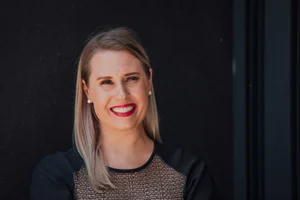
275. Get your voice in the media
In this episode, I’m joined by the absolute Queen of PR, Heidi Anderson — and this conversation was well worth the wait.
Heidi has nearly 20 years of experience in media, from reality TV to live radio, and she was one of the first Australian media personalities to openly speak about anxiety on air, long before vulnerability became mainstream. That moment went viral, reached millions, and changed everything.
In this episode, we talk about:
Why using your voice can feel so exposing — and why that “naked” feeling is often a sign you’re doing something powerful
Heidi’s defining moment on live radio, sharing “I hate myself,” and how it transformed her connection with listeners
Why the stories we’re most afraid to share are often the ones that create the deepest connection
How PR is really about relationships, not self-promotion
Why you should consume the media you want to be featured in before you pitch
Heidi’s simple and effective 20–20–20 PR method (just one hour a week)
How to overcome the fear of rejection, judgment, and “what will people think?”
The difference between speaking confidently and speaking your truth
Why telling your story first gives you control of the narrative
This episode is honest, funny, deeply human, and full of permission to use your voice — even when it feels uncomfortable.
If you’ve ever wanted to pitch the media, grow your visibility, or stop holding yourself back from being heard, this one’s for you.
Welcome back to That Voice Podcast. I am genuinely excited to finally bring you today's guest. We recorded this episode before I even released my book Voice Print, which I really hope you have bought, read, and reviewed. It is now out as an audio book on both Spotify and Audible. Finally, it's on Audible. There's the Kindle version, the paperback version, and of course the beautiful Voiceprint codes, Oracle cards. They're on Amazon. If you're in Australia or New Zealand. If you're international, then get in touch with me and I'll share you the link, because I'll package it from my place to send to you. Of course you can't print on demand the beautiful cards.
Now this episode with the Queen of PR and all-round fabulous energy of a human. I'm talking about Heidi Anderson. So this episode was supposed to come out last year, but then I gave my book Voice Print to Oprah Winfrey and wanted to share the story of how I manifested that incredible moment. So Heidi got bumped and perhaps having the PR-related episode in that holding spot was part of the manifesting of giving the book to Oprah. Heidi Anderson is someone I admire so much. She has almost 20 years experience in the media, including Reality TV and perhaps the most challenging gig in media, Live Radio. She was one of the first Australian media personalities to speak openly about anxiety, live on air. It was a raw, vulnerable moment back before the word vulnerable was even a hot topic, back before Brené Brown. So that moment she shared it went viral to more than 2 million people and changed everything.
Heidi Anderson is the author of Drunk on Confidence. What a great name for a book. And her program is called Pitch Like A Publicist. Heidi and I really get each other because I'm also former media and used to be in PR, too. In this episode, we get into why you should pitch to the media, how you go about it logistically, and more so how you overcome the mindset challenges of putting yourself out there, putting and getting your beautiful voice in the media.
Sally:
Heidi Anderson, welcome to That Voice Podcast. Great to have you here with your background. I love it. It's a neon pink sign that says Get Naked.
Heidi:
Mate, us two are a handful. This morning, I just threw my microphone as you were speaking, my background does say, get naked and before we started talking, you were telling me about a time that you got naked in Hobart and then ended up on front page of a paper, which is perfect for this sign here.
Sally:
Oh my gosh. And I write about this in my book Voice Print. I write about it in terms of expression because there I was with Patrick absolutely nude with thousands of other people on the beach in Hobart where you run in at Sunrise to do to mark the winter solstice and you know, people are taking photos and things like that. It's, it's very community, you know, it's like so liberating. But little did we know that a photographer from the State's premier newspaper, the Hobart Mercury was also there with his lens and he packed our peaches. And the funniest thing was is, I got this message we were back in Queensland, it was an Insta acquaintance that was, like Sal I think you and your partner are on the front page of the Hobart Mercury. And sure enough, Patrick and I were there with a U-shape with our arms forming the U in Mercury. Here I am trying to get my reputation out there as a voice and public speaking coach, but no, it's just my backside looking rather good might add. I wasn't too unhappy with that
Heidi:
Well, I was gonna say that with your book coming out, that should be part of your PR plan. Like, revisit that front page photo and that's a story for the book.
Sally:
Yes, absolutely. You're so right
Heidi:
Because it's such a big thing, right, to strip off and when people start using their voice, you know, we do, we, we get so scared. We think like, Oh my God, we're feeling so exposed, or we're feeling like we are naked, but you actually did literally get naked and it's a story in your book. So I think that could be some great PR that you could leverage.
Sally:
I love it. A hot tip from the PR queen. So let's start there. This idea of feeling exposed.
Heidi:
Yes.
Sally:
Do you find that that is the main thing that holds women, especially back from putting their voice out there, from putting themselves forward for media opportunities?
Heidi:
Yeah, a hundred percent. And I'm sure you find it too, with voice coaching and, and getting people to use their voice and share their stories. So for me, that's why I have the Get Naked sign because when we start to use our voice, when we start to pr ourselves, when we start to put ourselves out there, we feel exposed, which means we kind of feel naked that people can see us in our most vulnerable. And for me, like honestly Sal, the work that I've done from the girl that I used to be 12 years ago when I first started Breakfast radio, it might even be a bit longer than that, 13 years ago I confessed live on air that I hated myself. And for me I felt so exposed, but it was the first time I used my voice. And since then, I have continued to strip off metaphorically, but also physically as well. And that's kind of all the layers, the judgment and everything that we all feel when we start to get into our most vulnerable.
Sally:
Yeah, absolutely. Tell me more about that moment. So you're on air, sharing something so vulnerable. What was the response like?
Heidi:
It was insane. So I got onto breakfast radio in my very first career and I know you're a radio girl as well. And I got on there and I, I hate that I labeled myself this, but I was the funny fat girl and so I was the one on this that very confident, who everyone thought I was anyway, I was really confident I was the one that was making all the jokes and everything wasn't too serious. And then one day I decided to share quite openly about how I saw myself through someone else who'd shared their story over in the US and this is when Facebook stories started, you know, becoming quite viral and the response was insane. Like, you know, breakfast radio in a country town, no one wants to share a story, so we never got phone calls. So because they don't wanna be exposed this day that I spoke openly on air and said that I hated myself, the phone lines didn't stop ringing for two weeks.
Heidi:
Wow. And using those words, I hate myself and I wish I was as confident as what people think that I am was the change, like the change that I needed and stepping into that vulnerability. I mean vulnerability wasn't a huge word back then. Like we hadn't discovered Brené Brown you know, but that's what it was. It was me stepping into that vulnerability and from that moment it changed my whole life. I connected with my listeners in a whole new way, but it also gave them permission to share what was truly going on with them as well.
Sally:
Often the thing that we are most afraid of sharing is the very thing that a lot of people are afraid of sharing and the very thing that creates connections.
Heidi:
Yes. Yeah. And creates good PR stories as well like, because we see ourselves, right? It's the relatable stuff, you know, working in newsrooms, like the stuff that we feel ashamed of or scared of is usually what like you said, someone else is thinking or feeling. And so therefore it's gonna make a great story because we are connecting in that moment and fully seeing each other. And I think that's what a lot of people are afraid that their past is gonna come out to haunt them if they do get PR and step into that next level of, you know, speaking in the media or whatever. But I'm like, well tell the story first on your social media and then you've got control. You've got control of the narrative and you can see what happens. And then let's take it to the media.
Sally:
Yeah. In PR we used to have a saying define or be defined. So it's like, just because you don't put the story forward doesn't mean it will go away.
Heidi:
Yes. That's so true. Yeah. And but that's true for our personal selves too, right? Because that moment on air, like so much work around the way that I've seen myself, like I can sit here and tell you now like I have a lot of love for myself. Yes. I still have shit days. Do you know what I mean? I still have days where I judge myself. I still have days where I get in my head, but the work that I have done to get where I am, those stories aren't defining me anymore. You know, they're not like, and look, they're all in my book, Drunk on Confidence, like they're all in there. So I've said it first and that's what I always used to say on Breakfast radio. Like, Oh God, I'd be so scared that I'm gonna get, you were caught in the nude on the front page of the paper. See I was always like, am I gonna get caught snorting a line of cocaine or something like that from my London party days?
Sally:
Thank God Facebook started, we were at Uni.
Heidi:
I know, I think. Facebook started when I was living in London in my peak of my crazy.
Sally:
I was also in London as well, when Facebook started. How funny. Yeah, yeah.
Heidi:
Oh my god. And I Did you work in PR there? Because it was wild!
Sally:
No, I was just doing uni exchange over there.
Heidi:
I wouldn't have been able to live if I had to go to uni 'cause You know, not being able to work, I needed the money for the cocaine, I needed the money for the partying, like all of the things. And I mean it's much cheaper over there than it's in Australia. However, I was always scared that, and then I'm like, put it all out there. That's who I was. Like, do you know what I mean? It doesn't mean that I should think any less of me or anyone else should. It's just part of what I did and the experience that I had in my life.
Sally:
Yeah, absolutely. And it's interesting because you'd think, Oh, being naked on the front page, I, you know what, I'm happy to talk about that Own it.
Heidi:
Yeah.
Sally:
What's been a lot harder and what's gonna come out in my book. And I have spoken about probably a bit more timidly than I should have been. I went out with this guy who told me he was a doctor, not a doctor, lied about his whole life.
Heidi:
Oh, double life.
Sally:
Double life kind of thing. Said it was because he was in international intelligence agencies. Like next, next level. Yeah. But I say that my book is called Voice Print. It could have been called The Spy Who Shagged Me. That was the book that I was going to write. And that's the story where I'm a bit more, Oh gosh. You know, should I, shouldn't I? And I, I have spoken about it. You're probably hearing this going, Sal. That's a story you can PR the share.
Heidi:
Oh, I'm like girl, that's a Mamamia. We could get some pub, we could get some PR for your book here, sister!
Sally:
Yeah, well I share it because at the time this relationship was going on I was re reporting on national tv. So I was reporting by a day and walking on eggshells and having no voice by night. And that's what I learned. There's a huge difference between speaking with confidence and speaking your truth.
Heidi:
Oh, that just gave me chills.
Sally:
Oh yeah. That's, that's the why of why I do what I do. Because anyone can be like, This is how you project. This is how you gesture, but it's not the real voice inside you that needs to come out. And as you said, when I started sharing this story more and more, it's kind of scary in a way, but almost every woman has a similar story. Like everyone knows someone, whose life to that extent. And I remember at the time thinking, how could this happen to me? Oh my gosh, this is so crazy!
Heidi:
Yeah.
Sally:
But when we share our stories that we feel ashamed about, you know, shame not survive the spoken word.
Heidi:
Yeah.
Sally:
They're the things that resonate, 'cause everyone's going, Yes, me too.
Heidi:
Yeah, yeah. Exactly. And that's what we kind of, for me like, and I'm sure you felt the same and you will probably when you get that, I don't wanna say validation, but people come back to you and be like, Oh thanks Sal. Me too. Me too. That's why I do everything that I do. Because I felt so alone for so long stuck in my head, hating myself. Like bear, you know, I had so, such severe social anxiety, but I was a party girl. So that was all like, you know, drowned out through all the drugs and the drinking and everything that when I had that moment on air, it was literally not just for the listeners, it was for me too. And we all had this me Too moment and it was so beautiful. And that's literally why I do everything that I do now. Like when I've printed my book, when I share the stories that I do on, show live stories and you know, the work, it's literally so other people can feel less alone. That's what I do. Like why I do what I do. So I love that story. Like I love I didn't know that about you
Sally:
Read the book, you're gonna find out a lot of things. Well,
Heidi:
And this is the thing, isn't it? Because did you feel scared and and worried about that kind of stuff? Like the people around you, what are they gonna think?
Sally:
Not really because, 'cause this recording will come out after the book is out, but we are recording before it is released and I'm like, Oh my gosh, people are going to read it. Everyone in my inner circle already knows. I think the validation came when I got 'em to read certain parts and they were like, Yes, Sal, I remember that. 'cause Sometimes you think, Oh, is the way that I remember something? Am I totally in my own world?
Heidi:
Yeah.
Sally:
That was nice. And I know I've got their support. Yeah. Which is something also that you would come across with women that being afraid to put their story forward because Oh, what will mom think? What will dad think? What will my sister think? And having that fear of, of what will they think? How do you help people move through that?
Heidi:
Yeah,, it's interesting 'cause I still think I have moments like that. But you know, the crazy thing is I didn't let anyone read my book before it except for my friend Josh, who sadly passed away now. And he was the one person that I trusted. Yeah. And he was an author, a fucking awesome legend. And I, cause I was like, I didn't want anyone to stop my perspective. Do you know what I mean? So I didn't want their voice 'cause sometimes I listened to other people too much. I don't trust myself. And so I didn't, but I remember the one person I was afraid of was my husband's mom. And was it that I was trying to be perfect in some way for them or like, do you know what I mean? That she might see me or then they might use it against me of like who I was and what my thoughts are.
Heidi:
That's like, those were all the things that came up for me. And I think that's the thing that I have to keep remembering when I coach people because I'm always like, do the reps, like exposure therapy? Right? Like keep exposing yourself. If you just continue to pitch every single week and share your story and keep putting it out there on social media and all that, you start to build confidence through your little acts of courage. Right. But I have to remember that I still get those worries about like who's watching, who's not. Like, do you know what I mean? But as I always say to anyone, like, is your mom buying your program? No. Is your mom buying the paper? Great. Awesome. We wanted to buy the paper! You know, if you get published in the paper, people ask me all the time, like, how do you not worry what people think? And we had to show up day in, day out. That was the job that we chose. So you build resilience over time. You are not gonna build resilience to the trolls, to the comments to what your family thinks, et cetera, if you don't step into sharing your story and and using your voice, right?
Sally:
Yeah, a hundred percent. Like I think back on my times in regional news reporting and it was basically hardcore exposure therapy because you know, walking down the streets of Rockhampton trying to get random people to talk to you with some silly question like a politician's overpaid or something. And then having people like scream at you or you know, you spa out on the steps of the courthouse. You've had doors slammed in front of you for just doing your job. And I'm like, I I can see like a lot of people haven't had that level of...
Heidi:
Yeah. Yeah. This resilience. Well I had a a reporter come here the other day 'cause I spoke out about the health system here in WA after experience.
Sally:
Great story.
Heidi:
Yeah. Well he had, he was like, I have to door knock all the time. And he goes, I'm amazed about the people that speak to me. And people would always say that when we worked in radio, like how did you get that person to talk? Mm. And I said, it's this. I said, it's not like you were manipulative, but I said sometimes people wanna use their voice because they wanna share their perspective and they're given an opportunity. And so I'm all for it if that's what you want. But it is, it's hardcore exposure therapy. Like we've done the reps and that's why we are able to be, I don't wanna say it but we are, we're the experts, right? Like in what certain areas that we choose.
Sally:
Yeah, and and the level of relentlessness and persistence. Like I, you know, there, I don't think there was ever a day where somebody agreed on the first phone call to do an interview.
Heidi:
Yeah.
Sally:
Like you are like call and call and call and call and hoping that you get somebody on the 10th time.
Heidi:
I still sometimes feel rejection. Like I've definitely got rejection issues from like when I was a child. Like do you know what I mean? That have classic ADHD if you wanna label me that, just so the world understands me. Some days I'm like all four being my ADHD and other days I'm like no, I'm not that label today. But that rejection comes a lot with that. And I think that's what women experience from my seeing and understanding. Guys don't worry about rejection so much, they just go for it and they'll go over and over and over again. Women cockblock themselves with the thought of like, Oh they're gonna say no. Oh I'm annoying. You are not annoying the journalist. Like they literally want you to slide into their dms with a really great story because it makes their job easier, doesn't it?
Sally:
Absolutely. And also having been a journalist, this was like 10 years ago, I couldn't keep up with my inbox then. So imagine what it's like now. It's very easy to miss the email. But if you're listening, you're thinking, wow, this is a whole world that I have no idea about. Who do I even email? How do I even find who to pitch to?
Heidi:
Well, the way that I always really like to explain it to people is when you think about PR 101, most people think, oh that's for celebrities. Oh that's for dodgy politicians. But I like to think of Public Relations as in relationships in the public. So you are building relationships in the public arena. So with an editor, with a journalist, with a radio host like myself if you know, it was back in the day. So and you're starting to build those relationships and they're just looking for connection, too. They're just looking for stories as well. There's just a human on the other side of the email waiting for a really good story. Like you said, they're inboxes are insane, they're overworked, they're underpaid. The industry, they are like burnt out motherfuckers. Like I always say this, they're literally like, Oh my god. So you can make their job easier.
Heidi:
And as I always say to everyone, like go buy the paper if you wanna be in the paper, go buy the paper for the next two weeks. It's really that simple. And then go find who's writing a story that you like or is there someone in the business section And then follow them on Instagram, maybe see if they're on LinkedIn, their emails, their Twitter or ex whatever it's called now are everywhere. You know, because they want you to send them stories. Like that's, that's the whole point. Like you're not annoying. You are annoying if you don't get to the point and you bury the lead, you are annoying if you don't follow up because they're gonna miss a good story.
Sally:
You're annoying if you kind of email them and then they ring and say, are you available for an interview? And they're like, oh no, not today. I am like, well why did you bloody send me that email today if you weren't even available?
Heidi:
Yes! But you know what, I actually, so full exposure therapy for me the other day, speaking of the health system. So I was so upset with what happened with, I had my appendix out and the service here was so bad. Like you can go to my Instagram to get the full story. But basically I had to wait three days, they gaslit me all of this stuff. Yeah. Terrible. And when I sat in there, there was people waiting for 17 hours plus in these waiting rooms in an emergency department here in June. And this is normal. This is normal here. So no one we hear this, but until you experience it. Anyway I sent my mate Baz who used to be on the radio here, he's now the head of the Liberal Party, which I didn't know he's gunning for the premier here with politics aside.
Heidi:
I don't give a shit about that. But he's telling the premier, he's doing such a shit job. So here's me on the Saturday night, a few months after my trauma, I've like released it, done the work, you know, kind of healed myself like I don't need to tell this story, I don't need to. And then Baz is gunning for the Premier and I'm like, Right, I'm gonna send him an email. I can tell this story. As soon as the journalist called me I was like, I don't know. I don't know if I can, I don't know if I'm available today. So this is two weeks after, 'cause In the moment I felt like I was really ready.
Sally:
Mm-Hmm.
Heidi:
And then I had this moment Sal, and I think this really reminded me of what people thought. 'cause I was going up against a health system because I was going up against someone potentially shutting me down, telling me that I was wrong, telling me that I was doing something you know wrong. I really shut down and I got scared and then I rang my husband and he said, remember why you were gonna tell the story? Don't be afraid. Like this is your story and this is what happened to you. And then I called the journalist back, I'm like, Okay, you can come. And he got there at, at 12 we filmed it and when I sat down with him afterwards, all of my shame and scared like I was scared. Mm-Hmm Like are this a hospital gonna come out and publicly slam me? Like, and then logically I'm like, the hospital doesn't give about me. They didn't care what I was there! So they don't care about me now, but I went into this spiral and I think I wanted to share that because it doesn't matter how much work we've done if we're a professional broadcaster, you know, we still have these moment where we get in our head and and our comes up when we're using our voice.
Sally:
Yeah. An element for me is like the stories I've shared, this is why it's a big thing with the book 'cause it's going out to a wider audience on a Podcast. You're like, well I sort of know the people who are gonna be listening to this podcast on your social media. It's like, oh well it's my community and it's sort of this idea.
Heidi:
Yeah.
Sally:
That I can contain it a bit because I know the people there. But this is the answer to your question of why haven't I, didn't I take the the fake doctor story far and wide? It's because I'm like, it is gonna go to an audience that's beyond what I understand and with people who are not gonna be on my side as such.
Heidi:
Yes.
Sally:
And am I gonna be okay with that?
Heidi:
I see you. And like that's what happened to me as well. And I think this is why I have to always remind myself when people are sharing their stories, 'cause I'm like, it's so easy. We can get your PR tomorrow, we can do this, we can do that, but our shit's gonna come up. And so it's like how do we help ourselves through that and are we prepared? But also like maybe it's time to let go of control of the steering wheel. You know what I mean? Like, 'cause we can't control other people's opinions and really, do we care about the trolls in the news.com articles? No. We care about you getting your story out there and then you using that as street cred on your own page. That's what I try and remind everyone of.
Sally:
Yeah. Like people who are afraid of getting negative comments on social media. You and I have both been there and it's like when you get them, the sky doesn't fall in, your business grows and you carry on. So you're like, the very thing that you're afraid of is the very thing that takes you to that next level. Heidi, I wanna just backtrack a little bit to repeat a really important point. If you want to be in a publication, start by consuming it. Like the amount of people who say they wanna do a TEDx and they have never been to a TEDx event, or I wanna be in Mamamia. Are you reading those Mamamia? Are you on the podcast? Are you, you know, are you buying the paper? So it's a very simple way to start by consuming the media you wanna be in.
Heidi:
It's so simple. Yeah. And like I look, don't get me wrong, I forget sometimes too. And I'm like, oh, you know, I'd love to be on this podcast. And then I'm like, okay, well go listen. And then I listen and then I go, okay, maybe they're not my people or they don't actually do interviews. So what I'm, do I think I'm gonna be the first?
Sally:
The first one.
Heidi:
I think we, yeah. Like they're gonna just stop every, you know, their, their whole format to change for me? So, and it really is that simple. The way that I teach it is I do the 20-20-20 formula. So 60 minutes a week you do your PR, schedule it in, we sure. Schedule time in to do our content, all of those things. 20 minutes researching, 20 minutes writing, 20 minutes pitching. Like you can be your own publicist if you 20 minutes of researching, you've bought all the papers. Read onto Mamamia, listen to Sal's podcast for 10 minutes, you know, or skim through, see all her episodes. But do your research, then start writing. And that's like putting together your pictures, putting together your story, practice the article writing that you're gonna do, and then 20 minutes of pitching you are guaranteed if you lock that in one hour a week, like I promise you within six weeks you'll get, you'll get pr, whether you get rejected for pr, you'll get something in the six weeks.
Sally:
Okay. Yes. Noted. I need to write that down.
Heidi:
Can you write that down? You've got a book to PR!
Sally:
Yes. 20 20 20.
Heidi:
Yeah. 20-20-20. Stolen from the 2020 Cricket. No, just joking, 'cause I know you're coming to the cricket. No, because I nailed that system when I was doing Done for You. So I started doing PR last year. I created a whole agency and I realized it's not for me. I don't wanna manage people. I just love coaching and I love, but I've nailed the system and I was like, this is what everyone needs to know. They could just do it with one hour a week. So I am so passionate about that.
Sally:
Yeah. So then why do people need someone like you to help them with PR?
Heidi:
Well that's why they would come in to the coaching program that I've got pitch like a publicist because my brain is, and I like, I'm trying to get more comfortable at this, but it's a genius brain of like understanding angles in the media, having worked there. I that's what a lot of people block themselves with. So they could do the 20-20-20, right? And anyone can do it. It's so simple. My mom could do it, but I help them see their stories and it's like building that momentum, accountability, contacts, all that kind of jazz that I'll, that I'll help them with. Yeah.
Sally:
Yeah. Yeah. When I worked in the newsroom, there was this little post-it note that said, Who gives a shit? And it was like a reminder of like, when I had a story idea, who gives a about this, Like to people.
Heidi:
Yeah!
Sally:
Because sometimes that we care about are not things that the wider public or the audience might care about. And often it's just, you know, tweaking the headline or a whole lot of things that Heidi, I probably need to enlist your help with as well.
Heidi:
A hundred percent girl, I might, I literally wrote down here at the start of our chat by five copies of Sally's book.
Sally:
Oh, amazing. Yeah, well I was doing PR for Urban Utilities, which is our water and sewage company and that was fantastic.
Heidi:
That would've been done.
Sally:
It was so great because it was an essential service, but also challenge accepted get shit stories sewage on the 6:00 PM news.
Heidi:
Yes!
Sally:
And really creative in how you do that because even the best angle, producers are like, do people are eating their dinner, you know?
Heidi:
Yeah, yeah, yeah, yeah. And this is the thing, right? And like, so, and that doesn't mean it's a no. It's like how do we tweak it? How do we change it? Like one of my girlfriends just launched her book last year and she wanted this news, she wanted news, right? She wanted 9 News and we'd got her everywhere else and they just kept saying no. And so it was like, Okay, well I'm not gonna sit here and take no for an answer. Like we're gonna tweak it and we're gonna keep, and so sometimes you really have to have to get in and you've gotta rework these angles and they're okay with that because again, they're looking for stories too. Like, and so, you know, they, they wanna work with you and I think we forget that. But yeah, I like, I love that who gives a like of what your mom thinks, who gives a what you know what the negative comments are and actually give a on the person on the other end of the line.
Heidi:
Like if they're reading the paper or they're on TV or they're listening, like that's what you've gotta care that that's the person you've gotta care about. I can sit here and tell you everything. But like honestly the truth is the way that I've built myself confidence through the way that I've seen myself with body Image, the way that I show up at, to pitch like a publicist when I also feel scared and worry about rejection too, is just honestly 1%, just do 1% every day and like, you know, those little micro acts of courage are what I speak about. So yeah, you might not be the most confident person to pitch your story or to sell your story in, but the only way you're gonna get good at it is if you make those little 1% changes. So I bang on about that in my talks and everything all the time and you know, just commit to like an hour a week and you'll see that it can actually make changes and then maybe just come to my course as well. Pitch like a publicist open now.
Sally:
Amazing. I was going to say that part of it as well is being easy to find and easy to contact. So yes, you are definitely that. How can people contact you or find you? What's the best way?
Heidi:
Oh well I definitely it up with my Instagram. I put it underscore after the A, which was definitely not smart and easy to find Sal. So it's an @_HeidiAnderson, that's pretty much where I hang out.
Sally:
Got it. Heidi Anderson, thank you so much for joining us on That Voice Podcast.
Heidi:
Thanks Sal!